
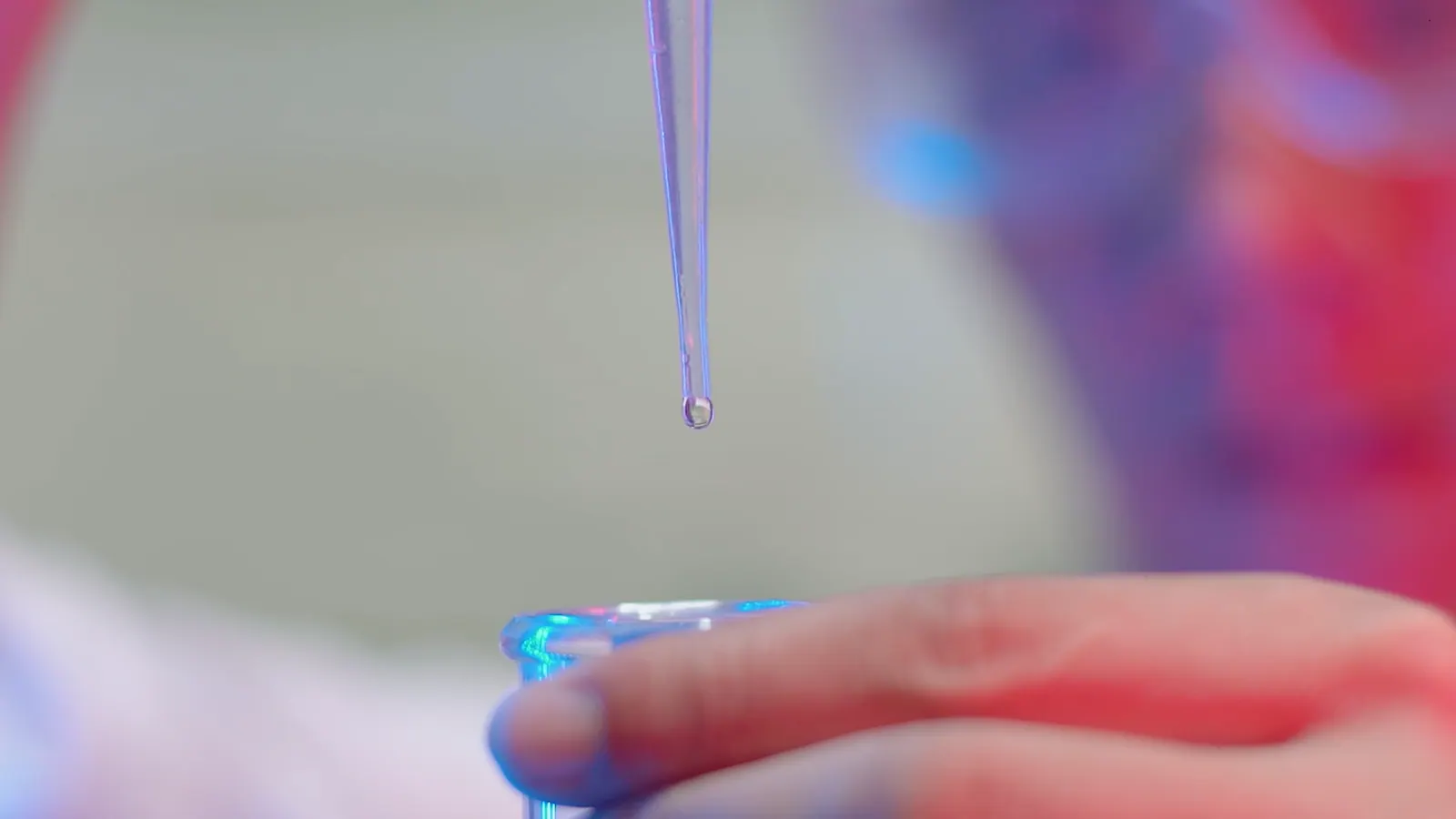
Cyanoacrylate can fixture a close-fitting joint in seconds, but fixture time is not the same as full cure. TongLin Adhesive uses the product cure figure as a reference for comparison; the actual line result still depends on the substrate, gap, dose, humidity, and production process.
What fixture time actually means
Fixture time is the period until a joint can usually be moved without losing alignment under the defined test condition. It helps an engineer estimate handling and assembly flow. Full cure describes the later stage when the joint has developed more of its final performance under the customer’s conditioning and test method.
Do not convert a product-table number directly into a guaranteed takt time. A thin, close-fitting joint may behave differently from an uneven joint with excess adhesive. The correct comparison is a repeated test on the real part, with the same surface preparation, gap, dose, and holding method.
What changes cyanoacrylate curing behavior
| Factor | Why it matters | What to record |
|---|---|---|
| Joint gap | A larger or uneven gap can change wetting and cure development | Actual gap and fit variation |
| Applied dose | Too much adhesive can extend handling and increase blooming risk | Drop or bead size and placement |
| Surface condition | Moisture, oil, coating, and mold release change the interface | Cleaning method and elapsed time |
| Viscosity | Lower grades flow easily; higher grades hold a bead and can bridge more gap | Grade, viscosity, and nozzle |
| Environment | Temperature and humidity can change the observed set | Test temperature, humidity, and time |
For a low-viscosity reference, S505 and S505 M list a 3-second reference cure. S508 lists 8 seconds, while the higher-viscosity CA-S1500 gel lists 25 seconds. These figures help narrow a candidate set; they do not replace application validation.
A practical cure validation sequence
- Prepare the production substrates with one repeatable cleaning method.
- Compare a small number of grades at the intended gap and dose.
- Record the first safe handling point separately from the later performance test.
- Repeat the test across normal process variation instead of using one best result.
- Record appearance, failure mode, and conditioning time before approving a line setting.
If the line needs a shorter fixture time, discuss the application, packaging, and process together through the cyanoacrylate OEM service. Send the real substrates and process details through Contact. A fast initial set is useful, but the final grade must be confirmed by the customer’s validation method.