
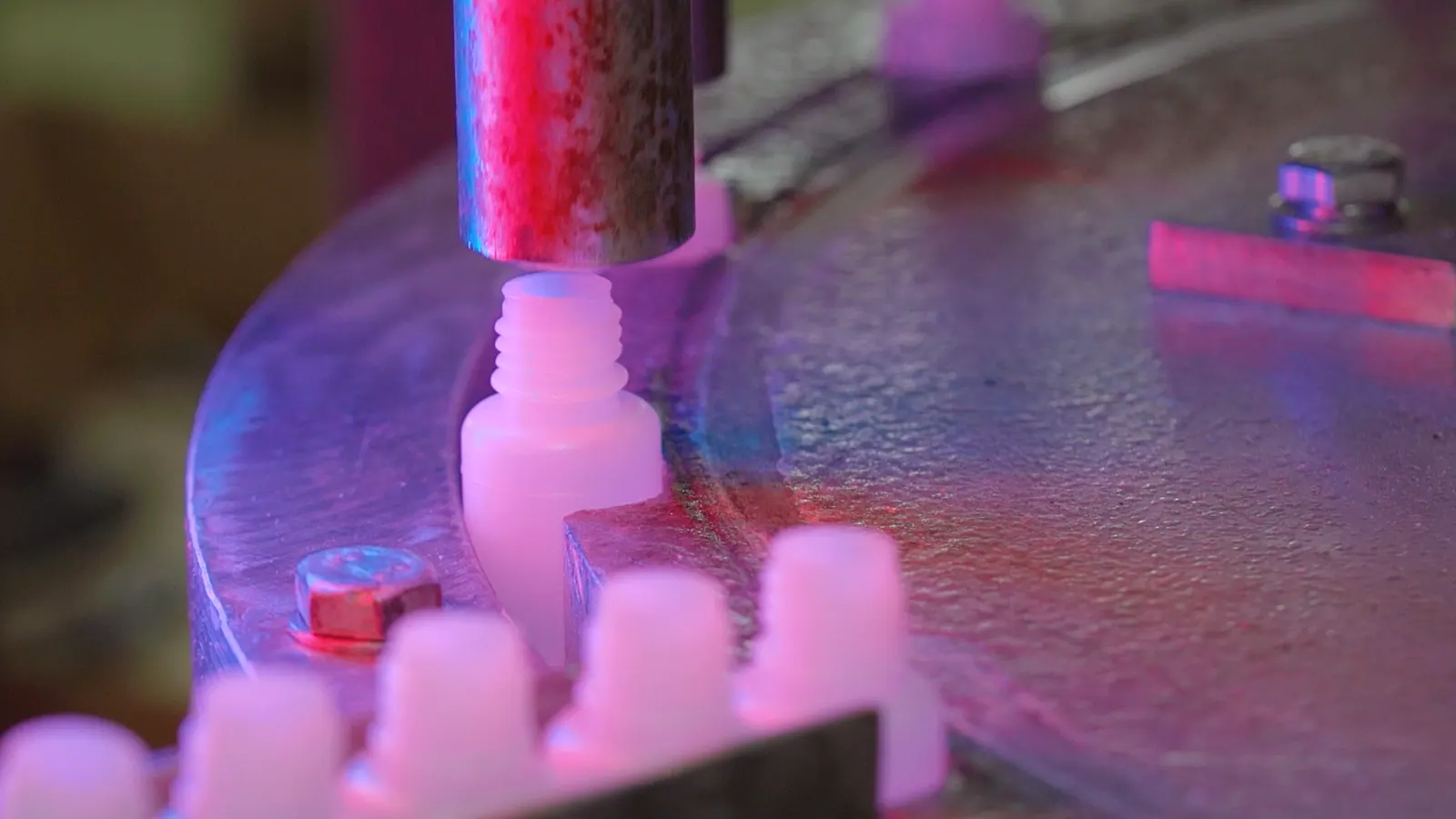
Consistent cyanoacrylate dispensing depends on more than the bottle or applicator. The dose, nozzle, viscosity, joint fit, surface condition, and handling time must work together. TongLin Adhesive recommends setting the application around the real part and then confirming the grade and package with repeated samples.
Match viscosity to the dispensing task
Low-viscosity grades can flow into close-fitting joints, while medium and high-viscosity grades give more control over a bead or a vertical application. The product range provides a useful starting point: S505 M is a low-viscosity reference, S508 a medium-viscosity reference, and CA-S1500 gel a higher-viscosity reference.
The best flow is not always the best process. A liquid that spreads too far can create an appearance problem or an inconsistent bond line, while a gel that is too resistant may require more pressure or a different nozzle. The selected viscosity must match the joint and equipment.
Control dose, nozzle, and joint fit
| Process variable | Typical risk | What to standardize |
|---|---|---|
| Dose | Excess adhesive, extended handling, or visible residue | Drop or bead size and trigger time |
| Nozzle | Uneven flow, clogging, or an uncontrolled bead | Orifice, length, storage, and replacement rule |
| Joint fit | Too much gap or poor alignment | Gap, overlap, fixture, and part tolerance |
| Surface | Slow wetting or variable cure | Cleaning, coating, moisture, and waiting time |
| Handling | Movement before the bond is stable | Holding method and release point |
Keep the container closed when it is not being used and define a repeatable application interval. A production trial should record the actual dose and tool, not only the adhesive name.
A repeatable dispensing trial
- Measure the real joint gap and identify the required bead or drop location.
- Select a viscosity range and nozzle that can deliver the target dose.
- Run repeated parts with the same trigger, holding, and surface preparation.
- Check wetting, overflow, appearance, fixture time, and final failure mode.
- Record the accepted setting in the work instruction and sample approval.
If the application needs a different bottle, nozzle, label, or private-label format, review the cyanoacrylate OEM service and send the process requirements through Contact. A dispensing setting that works on one part does not automatically fit every substrate or production line.